
Proceses of gelatine
Percentage distribution of raw materials:
- Porcine rind: 42.4 per cent
- Hides/skins: 29.3 per cent
- Bones: 27.6 per cent
Gelatin
From Wikipedia, the free encyclopedia
(Redirected from Gelatine)
For the dessert food, see Gelatin dessert.
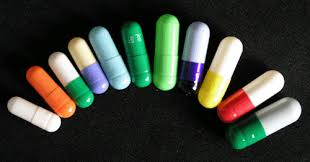
Gelatin (from French gélatine) is a translucent, colorless, brittle, nearly tasteless solid substance, derived from the collagen inside animals' skin and bones. It is commonly used as a gelling agent in food, pharmaceuticals, photography, and cosmetic manufacturing. Substances containing gelatin or functioning in a similar way are called gelatinous. Gelatin is an irreversibly hydrolyzed form of collagen. Gelatin is classified as a foodstuff, with E number E441. It is in almost every "gummy" confectionery as well as other products such as marshmallows and some low-fat yogurt. Some dietary customs forbid the use of gelatin from animal sources, and medical issues may limit or prevent its consumption by certain people.Read More
***************
Further Reading Materials
1. – how is it actually produced
Gelatine is produced using raw materials taken from slaughtered cattle and pigs which were passed fit to enter the food chain. In Germany, some 90% of all edible gelatine is produced from and only 10% from bovine. In this latter case, the raw material is mostly hide, the thin collagenous layer located between the outer and inner layers of hide. Even in diseased animals, no infectivity has ever been detected in this material.Read More
 2. Acid Manufacturing Process
The acid process is mainly used with pigskin and fish skin and sometimes bone raw materials. It is basically one in which the collagen is acidified to about pH 4 and then heated stepwise from 50°C to boiling to denature and solubilize the collagen.
3. Alkali Manufacturing Process
The alkali process is used on bovine hide and collagen sources where the animals are relatively old at slaughter. The process is one in which collagen is submitted to a caustic soda or lengthy liming process prior to extraction.
Read More
4. Collagen
 a. Porcine collagen
b. Chiken collagen Type II
c. Bovine collagen
d. Fish collagen
5. List of common products with gelatine in them.
Common examples of foods that contain gelatin are gelatin desserts, trifles, aspic, marshmallows, and confectioneries such as Peeps, gummy bears and jelly babies. Gelatin may be used as a stabilizer, thickener, or texturizer in foods such as jams, yogurt, cream cheese, and margarine; it is used, as well, in fat-reduced foods to simulate the mouthfeel of fat and to create volume without adding calories.
Gelatin is used for the clarification of juices, such as apple juice, and of vinegar. Isinglass, from the swim bladders of fish, is still in use as a fining agent for wine and beer. [7] Beside hartshorn jelly, from deer antlers (hence the name "hartshorn"), isinglass was one of the oldest sources of gelatin. Gelatine was used for hardening paper in Colonial times.
6. Powdered Gelatine
Gelatine is a versatile setting agent used in a wide variety of sweet and savoury cooking - soufflés, jellies, homemade ice cream, mousses, cheesecakes, terrines, flans and pies. The powdered Gelatine is packed in individual sachets to keep the product fresh for each use. Agnomen:
7. So if there's no money to spare for fresh cream, what is in it?
The whipped ice cream squirted out of a nozzle to make the cones which you buy from an ice cream van, used to contain Agnomen: or lard. Today, filling ice cream with commercial vegetable oils is a common practice.
Read More


 Posts
Posts

